Isuzu 4JA1 Engine: Fundamental Specifications and Performance Insights
The Isuzu 4JA1 engine shines in the sphere of diesel power with its outstanding performance characteristics and metrics. With a design emphasizing reliability and efficiency, it addresses various agricultural and commercial demands. Comprehending its power, torque, and fuel efficiency can show why this engine stands as a chosen option. However, its complete capabilities is best valued when examining its maintenance knowledge and uses. What renders the 4JA1 a durable option in today's market?
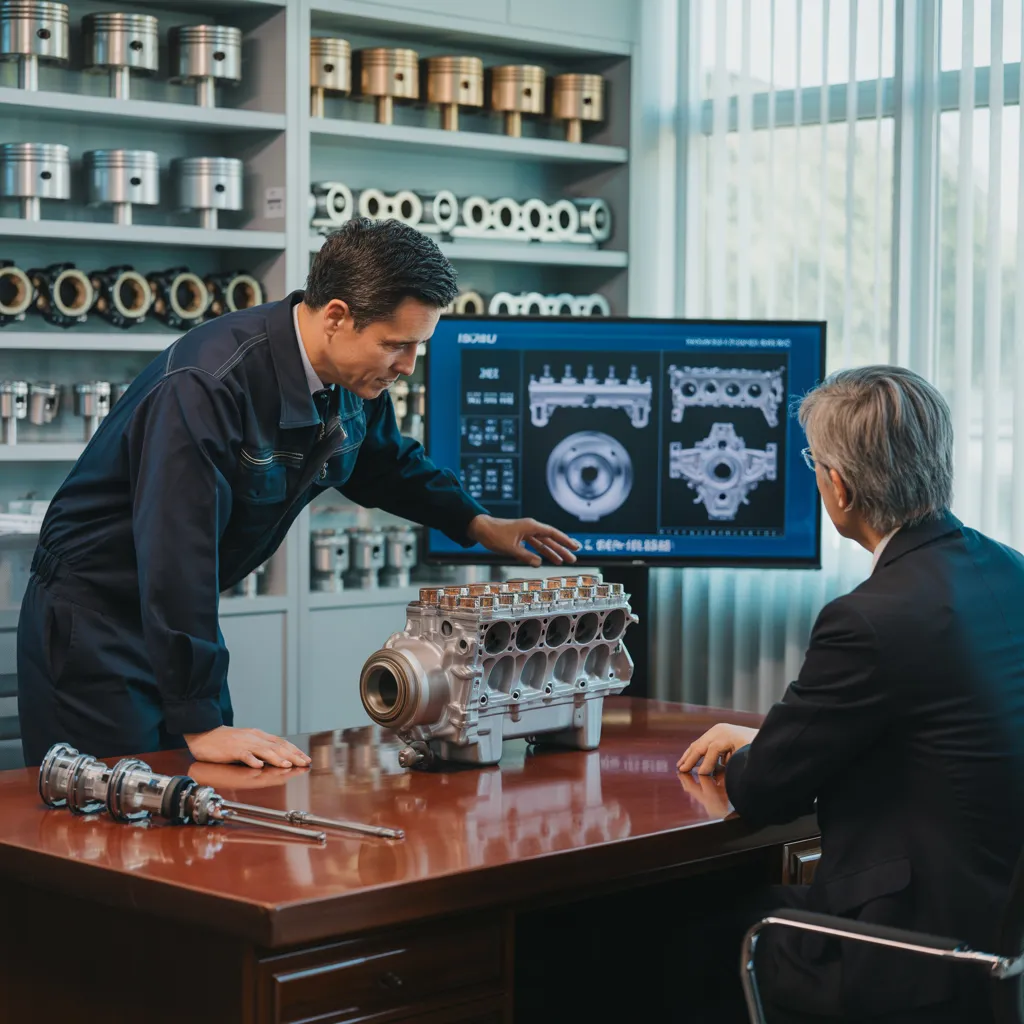
Key Specifications of the Isuzu 4JA1 Engine
The Isuzu 4JA1 engine is recognized for its sturdy design and efficient performance. This four-cylinder diesel engine includes a displacement of 2.5 liters, delivering a combination of power and fuel economy. With a bore of 91 mm and a stroke of 102 mm, it optimizes fuel burn efficiency. The engine is fitted with a direct injection fuel system, improving its responsiveness and performance in different driving situations.
It functions with a compression ratio of 22.0:1, contributing to its torque properties and general dependability. The 4JA1 engine generally generates around 75 to 90 horsepower, depending on the particular use and tuning. Furthermore, it is engineered to support multiple transmission choices, making it versatile for different vehicle types. Its light-weight design and compact size further improve its attractiveness in both commercial and leisure vehicles. In summary, the 4JA1 exemplifies Isuzu's commitment to engineering excellence.
Understanding Power and Torque of the 4JA1
The power output of the Isuzu 4JA1 engine serves as a essential element that determines its performance in diverse environments. Studying the torque characteristics yields insight into how capably the engine can deliver power under different conditions. Combined, these factors contribute to the comprehensive performance and effectiveness of the 4JA1 engine.
Power Yield Information
Power and torque are important metrics that influence the performance of the Isuzu 4JA1 engine. This engine is celebrated for its solid power output, delivering approximately 68 horsepower at 4,200 RPM. The design underscores efficiency, making it well-suited for various applications, from commercial vehicles to agricultural machinery. Its power curve is fine-tuned for peak performance across different driving conditions. The 4JA1's construction includes durable components that strengthen its durability and longevity, essential for demanding tasks. Additionally, the engine's architecture allows for consistent power delivery, ensuring that it meets the expectations of both operators and manufacturers. This coordination of power output and reliability establishes the 4JA1 as a significant option in its class.
Torque Attributes Simplified
While engine output is fundamental, understanding torque characteristics is equally important for evaluating the Isuzu 4JA1 engine's performance. This powerplant delivers a maximum torque of about 192 Nm at 2,200 RPM, which plays a significant role in its overall effectiveness and efficiency. Torque, often called the engine's pulling power, enables vehicles equipped with the 4JA1 to perform heavy-duty tasks, such as towing and hauling. The engine's torque curve remains relatively flat, providing consistent power delivery across a variety of RPMs. This feature improves vehicle control, especially in off-road and heavy-duty conditions. Overall, the torque specifications emphasize the 4JA1's suitability for both commercial and recreational use, making it a dependable option for multiple driving scenarios.
Fuel Efficiency of the Isuzu 4JA1 Engine: What to Anticipate
The fuel efficiency of the Isuzu 4JA1 engine represents an significant concern for prospective owners. Learning about its fuel efficiency metrics can supply important insights into real-world performance and operational costs. This analysis will emphasize what users can normally expect from this engine in terms of efficiency.
Fuel Expenditure Measurements
Fuel efficiency remains a vital consideration for drivers seeking optimal output from the Isuzu 4JA1 engine. This engine, known for its sturdy construction, generally exhibits impressive fuel consumption metrics. On average, the Isuzu 4JA1 engine delivers approximately 8 to 10 km/liter, based on driving conditions and load. Elements such as vehicle weight, maintenance, and driving habits can greatly influence these figures. The engine's design prioritizes a balance between power output and fuel economy, rendering it a reliable choice for both urban and rural driving. Overall, the 4JA1 demonstrates efficient fuel consumption, serving those who prioritize both performance and cost-effectiveness in their driving experience.
Practical Efficiency Perspectives
What is the performance of the Isuzu 4JA1 engine in real-world driving scenarios? In practical applications, this engine shows commendable fuel efficiency, averaging around 25 to 30 miles per gallon, depending on driving conditions and load. Drivers often note that its diesel configuration provides a good balance of power and economy, making it suitable for both urban commuting and long-distance travel. Additionally, the engine's torque delivery enhances performance in various terrains, contributing to its reputation connected information for reliability. Routine maintenance plays a crucial role in sustaining peak efficiency, as neglected engines may experience reduced mileage. Overall, the Isuzu 4JA1 stands out in its class for offering economical performance that meets the demands of diverse driving environments.
Top Purposes for the Isuzu 4JA1 Engine
While many engines shine in distinct niches, the Isuzu 4JA1 engine stands out for its versatility across various applications. This robust engine is widely recognized for its performance in commercial vehicles, particularly light trucks and vans, where toughness and consistency are paramount. Its superior torque characteristics make it ideal for tasks requiring heavy loads, such as delivery services and construction work.
Additionally, the 4JA1 engine is commonly used in agricultural machinery, where steady performance is essential for tasks like tilling and hauling. Its fuel efficiency also appeals to fleet operators looking to minimize operational costs.
Moreover, the engine's streamlined structure enables it to fit into various vehicle models, enhancing its adaptability. Overall, the Isuzu 4JA1 functions as a reliable choice for a range of industries, from logistics to agriculture, underscoring its multifaceted capabilities in the marketplace.
Essential Maintenance Guidelines to Prolong the Lifespan of Your 4JA1 Engine
To maintain the lifespan of the Isuzu 4JA1 engine, regular upkeep is essential. Regular oil replacements with high-quality oil maintain internal components well-oiled and reduce deterioration. Inspecting and swapping the air filter consistently ensures optimal air circulation, boosting engine efficiency. In addition, tracking coolant amounts and inspecting the cooling system help prevent overheating, a frequent problem for diesel engines.
Consistently monitoring hoses and belts for signs of wear can stop breakdowns. Keeping the fuel system clean by using dependable fuel and periodic fuel filter maintenance encourages efficient combustion. Moreover, preserving correct tire pressure and balance not only improves fuel economy but also relieves strain on the engine.
Ultimately, following the maker's suggested service intervals ensures that all components operate efficiently. By adhering to these maintenance tips, owners can greatly prolong the life of their Isuzu 4JA1 engine, ensuring reliable operation over the long term.
Troubleshooting Frequent Issues With the 4JA1 Engine
Performing regular maintenance can help avoiding many faults linked to the Isuzu 4JA1 engine, although problems might still arise over time. A frequent problem is overheating, which is often caused by a malfunctioning thermostat or a blocked radiator. Drivers should regularly monitor coolant levels and examine the cooling system for leaks. Another common problem is poor fuel efficiency, potentially resulting from clogged fuel filters or faulty injectors. Ensuring these parts are clean can improve engine performance. Also, strange noises could signify worn bearings or timing belt troubles; early detection is key to prevent severe damage. Lastly, smoke coming from the exhaust may indicate combustion problems, possibly due to worn piston rings or valve seals. Quickly handling these issues and consulting a qualified mechanic can improve the longevity and reliability of the 4JA1 engine, making sure it keeps performing at its best.
How Does the 4JA1 Stack Up Against Other Isuzu Diesel Engines?
How does the Isuzu 4JA1 engine stack up to its diesel alternatives within the Isuzu range? The 4JA1, a 2.8-liter inline-four engine, is celebrated for its reliability and fuel efficiency, making it a preferred option for various applications. When compared with the bigger 4BD1 and 4HE1 engines, the 4JA1 demonstrates a balance of power and torque ideal for lighter vehicles, while the larger variants provide improved capability for heavier loads. The 4BD1, with its 3.9-liter displacement, provides increased horsepower and torque but may compromise fuel efficiency, a critical factor for many users. Meanwhile, the 4HE1 engine, known for its advanced technology, shines in emission reduction, attracting to eco-aware consumers. Overall, the 4JA1 distinguishes itself for its practical nature, making it an ideal option for those needing dependable performance without the complexity of larger engines.
Common Asked Questions
What Represents the Evolution of the Isuzu 4JA1 Engine?
The Isuzu 4JA1 engine, released in the late 1980s, gained recognition for its robustness and operational efficiency. Throughout the years, it advanced across numerous applications, establishing its legacy in commercial and light-duty vehicles internationally.
How Effectively Does the 4JA1 Engine Function in Adverse Weather Conditions?
The 4JA1 engine provides steady output in extreme weather conditions, sustaining effectiveness and strength. Its reinforced structure allows smooth functioning in both frigid and warm climates, assuring toughness and versatility for diverse driving applications.
What aftermarket enhancements are popular for the 4JA1 Engine?
Popular custom modifications for the 4JA1 engine incorporate upgraded intercoolers, performance exhaust systems, refined air intakes, and reprogrammed engine management systems, all meant to improve horsepower, fuel economy, and comprehensive performance under various driving conditions.
Are there any prevalent misconceptions about the 4JA1 engine?
Common misconceptions about the 4JA1 engine include its dependability and performance potential. Some think it lacks power, while others undervalue its durability, not acknowledging its capabilities when properly maintained and enhanced with quality upgrades.
What Is the Standard Longevity of the Isuzu 4JA1 Engine?
The expected lifespan of the Isuzu 4JA1 engine stretches from 200,000 to 300,000 kilometers, determined by maintenance routines and operating conditions, frequently representing the endurance and reliability that operators have come to expect from this engine.